
maintenance
Your New Landscape's First Summer: A Guide to Establishment Care
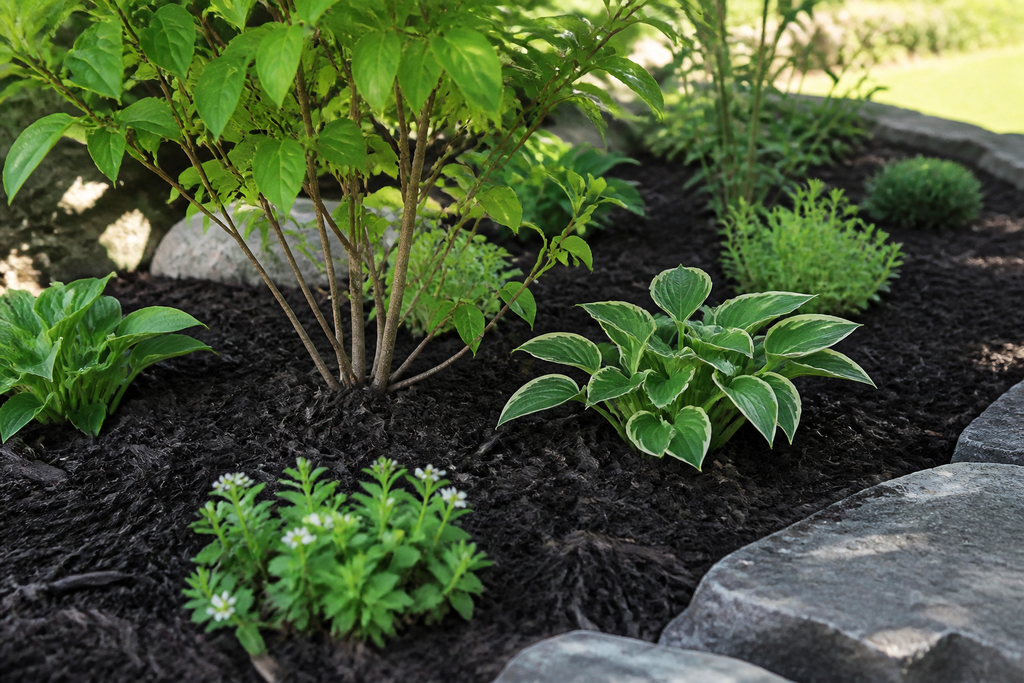
Caring for new landscape plants during their first summer focuses on three key actions: deep, consistent watering to encourage root growth; maintaining a 2-3 inch layer of mulch to conserve moisture and suppress weeds; and regularly monitoring for signs of stress like wilting or yellowing. This initial period is crucial for establishment.
The Scene: Your Garden's First Few Months
The last of the crew has driven away, the stone dust has settled, and your new landscape is finally, quietly, yours. The new trees are standing tall against the sky, the perennials are perfectly placed, and the new lawn is taking hold. This is the moment you’ve planned for. But for the plants, the work is just beginning.
Their first summer is a period of “establishment.” In simple terms, this is when a plant grows new, fine roots out into the surrounding soil, creating the network it needs to find water and nutrients on its own. It’s the most vulnerable time in a garden’s life. Your attention during these first few months is what turns a collection of new plants into a resilient, thriving landscape.
The Art of Watering: Deep, Infrequent, and Consistent
Imagine you’re training an athlete. You want to build endurance and strength, not dependency. Watering your new garden is the same. A light, daily sprinkle encourages shallow, weak roots that stay near the surface, waiting for their next quick drink. They become helpless in a heatwave.
Instead, the goal is to water deeply and less frequently. This forces the roots to grow downward in search of moisture, making the plant far more resilient in the long run.
- Check the Soil First: Before you water, stick your finger about two inches into the soil near the plant's base. If it feels dry at that depth, it’s time to water. If it’s still moist, wait another day.
- Water at the Base: Apply water directly to the soil over the root zone, not on the leaves. Wet foliage can encourage fungal diseases, especially in humid weather.
- Go Slow and Deep: A slow trickle from a hose or a soaker system is better than a powerful blast. You want the water to soak in, not run off. For a new tree, this might mean letting a hose run slowly at its base for 20-30 minutes.
Different plants have different needs. A large new deciduous tree will need more water than a small cluster of drought-tolerant Switchgrass. As a general rule for the current Ontario summer, plan on a deep watering 2-3 times per week for the first month or two, adjusting for rainfall. For more detail, see our guide on how to water a large garden.
The Protective Power of Mulch
When we complete an installation, one of the final steps is applying a layer of high-quality mulch. This isn't just for looks. Mulch is the unsung hero of a young garden, a protective blanket that offers three key benefits.
- Moisture Retention: It acts like a lid on the soil, slowing evaporation and keeping the root zone cooler and more evenly moist. This means you water less, and the water you do apply is more effective.
- Weed Suppression: A thick layer of mulch blocks sunlight, preventing many weed seeds from germinating.
- Soil Health: As organic mulch like shredded pine bark breaks down, it enriches the soil with organic matter, improving its structure and fertility over time.
Proper application is key. We ensure the mulch is about three inches deep across the entire bed. Too thin, and it won't be effective. Too thick, and it can suffocate the soil. This simple step is a core part of our long-term garden maintenance strategy.
Weeding: Staying Ahead of the Competition
An open, freshly prepared garden bed is a perfect target for opportunistic weeds. They are aggressive competitors for the same water, light, and nutrients your new plants desperately need. Staying on top of them in the first season is critical.
Your thick layer of mulch is your first and best line of defense. For the few that do poke through, the best approach is diligent hand-pulling. The best time to weed is after a rain or a deep watering, when the soil is soft and the entire root comes out easily.
By removing them when they are small, you prevent them from setting seed and creating a much bigger problem for next year. Our approach to weed control for large gardens always starts with prevention.
A weed pulled early is a hundred weeds that never get a chance to grow.
Reading the Signs: How to Spot Plant Stress
Your new plants will talk to you; you just have to learn their language. Some initial stress is normal—we call it transplant shock. The plant is adjusting from life in a pot to life in the ground. But it's important to know what's normal and what's a call for help.
Here are a few common signs to watch for on your weekly garden walk:
- Wilting Leaves: This is the most common sign of thirst. But before you water, double-check the soil. Droopy leaves can, confusingly, also be a sign of overwatering (drowned roots can't absorb water).
- Yellowing Leaves: If new leaves are yellowing, it can signal a nutrient issue or, more likely, a watering imbalance. Some yellowing of lower, older leaves is often just normal transplant shock.
- Scorched or Brown Edges: This often points to inconsistent watering—the plant gets thirsty, the leaf edges die back, then it gets a drink. It can also be a sign of windburn on an exposed site.
To Fertilize or Not? A Question of Timing
It might seem intuitive to give your new plants a boost with fertilizer, but for the first season, we almost always advise against it. When we install a garden, we amend the soil with high-quality compost and nutrients tailored to the site. This provides everything the plant needs for its first year.
Adding high-nitrogen fertilizer encourages the plant to produce a flush of soft, leafy top growth. This might look good temporarily, but it comes at the expense of root development. The goal for year one is to build the underground foundation. The lush growth and flowers will follow next spring/summer, supported by a root system that can actually sustain them.
Looking Ahead: From First Summer to Established Garden
The intensive care of this first summer sets the stage for decades of beauty. A tree that gets consistent water in its first year will be stronger, healthier, and better able to withstand drought and harsh winters for the rest of its life. The perennials you nurture now will form robust clumps that deliver spectacular blooms next year.
This careful stewardship is how the long-term vision of a landscape master plan becomes a living, breathing reality. By the time the cool air of this coming autumn arrives, your plants' roots will have explored their new home. Your watering duties will lessen, and the garden will begin to feel settled.
If you've followed these steps and are still seeing issues with a particular plant, don't hesitate to get in touch. We're here to see your landscape through its first season and beyond.
Frequently asked
Questions, answered
- How do I know if I'm overwatering my new plants?
- Check the soil about 4-6 inches down. If it feels soggy or muddy rather than just damp, you're likely overwatering. Yellowing leaves on a plant that isn't thirsty can also be a sign. We often see this when automated irrigation is set too aggressively at first.
- When can I stop this intensive watering schedule?
- You can typically start reducing the frequency after the first 8-12 weeks as roots establish. However, continue to monitor your plants through their first fall. Large trees and shrubs may require supplemental watering during dry spells for their first two years.
- Should I prune my new shrubs or trees this summer?
- Only prune to remove branches that are clearly dead, damaged, or diseased. Avoid major structural pruning in the first year. The plant needs all its leaves to produce energy for root growth. We handle formative pruning as part of our ongoing [garden maintenance](/services/garden-maintenance) programs once plants are established.
- What if a new plant looks like it's dying?
- Some initial wilting or leaf drop, known as transplant shock, is normal. If a plant looks progressively worse over a week, document it with a few photos and get in touch with our team. It's important to distinguish normal stress from a more serious issue.
- Why are my new perennials not flowering much?
- In their first year, perennials focus their energy on establishing a robust root system, not on producing flowers. This is a good thing for long-term health. You can expect much more prolific blooming in their second and third seasons.
Related on the site
Start a conversation
Planning a project in the Headwaters region?
We design and build across Hockley Valley, Caledon, Mulmur, Mono, King, and The Blue Mountains. Tell us about your property and we'll take it from there.
Book a discovery call →