
maintenance
The Estate Gardener's Guide to Mid-Summer Plant Care
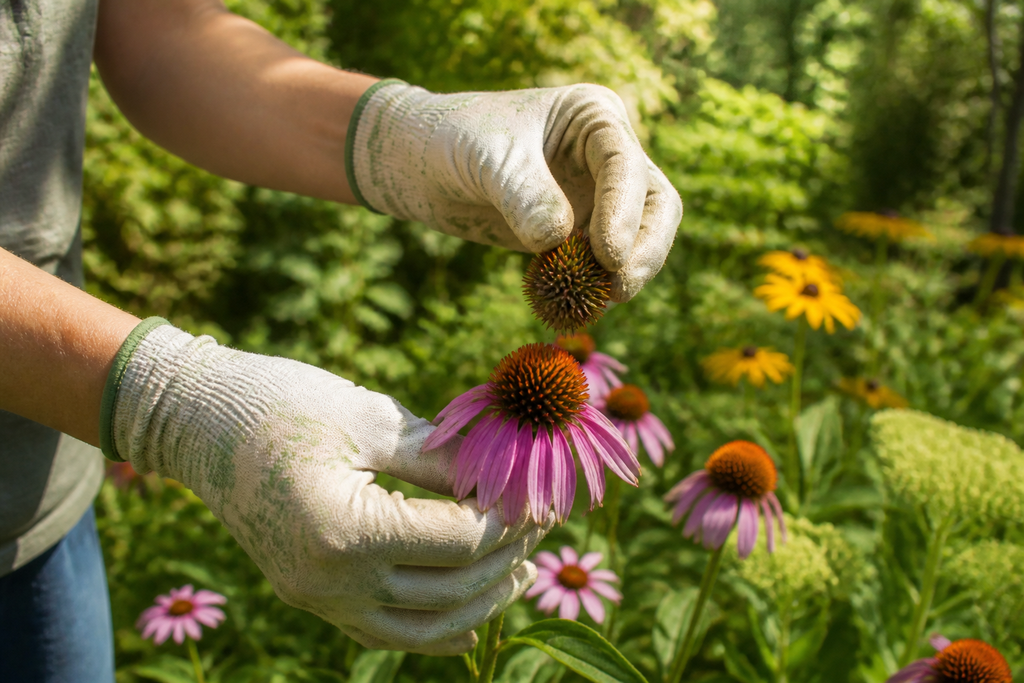
Effective mid-summer garden maintenance focuses on four key areas: strategic watering to counter heat stress, precise deadheading to encourage new blooms, targeted weeding to reduce competition for resources, and topping up mulch to retain moisture and regulate soil temperature. These tasks ensure your garden remains vibrant and healthy through the hottest weeks of the year.
Watering: The Art of the Deep Soak
The most common impulse on a hot mid-summer afternoon is to give the garden a quick spray. But this often does more harm than good, encouraging shallow roots that are vulnerable to heat and drought. The key to resilient plants is deep, infrequent watering. Your goal is to deliver the equivalent of about one inch of rainfall per week, allowing it to soak deep into the soil profile.
For large garden beds, this is best accomplished with soaker hoses or a professionally installed drip irrigation system that delivers water directly to the root zone, minimizing evaporation. If using a sprinkler, water early in the morning before the sun and wind pick up. This allows foliage to dry, reducing the risk of fungal diseases.
How do you know if you've watered enough?
- The Soil Test: About an hour after watering, use a trowel to dig down 6-8 inches. The soil should be consistently moist all the way down. If it's only wet in the top inch or two, you need to water for a longer duration.
- The Container Check: Potted plants and hanging baskets dry out much faster than garden beds. They may need watering every day, sometimes twice on the hottest days.
- Observe the Plants: Some plants, like Big-leaf Hydrangeas, will wilt dramatically in the afternoon sun as a self-preservation tactic, even if the soil is moist. Check them again in the cool of the evening; they will likely have perked up. Persistent wilting, however, is a clear sign of thirst.
For a more detailed strategy on keeping your property hydrated, see our guide on how to water a large garden and lawn in summer.
Deadheading and Pruning: The Strategic Snip
Deadheading—the simple act of removing spent flowers—is one of the most impactful mid-summer tasks. When a flower fades, the plant’s energy shifts to producing seeds. By snipping off the old bloom, you interrupt this cycle and encourage the plant to produce more flowers instead. This is how you keep annuals blooming profusely and get a second, or even third, flush of flowers from perennials like Coneflowers, Bee Balm, and Salvia.
Not all plants need deadheading, but for many, it's the secret to a long-lasting display. Here are a few examples:
- Perennials: For plants with single-stem flowers like Coneflower or Black-Eyed Susan, cut the stem back to a set of healthy leaves or a lateral bud. For multi-flowered stems like Salvia, shear the entire spent flower spike off.
- Roses: For modern repeat-blooming roses, cut the stem back to the first five-leaflet leaf to encourage a strong new flowering shoot.
- Annuals: Petunias, marigolds, and geraniums benefit from constant pinching and trimming to stay full and flowery.
Light summer pruning can also be done now to maintain shape and improve air circulation. This isn't the time for major structural pruning, but you can selectively trim back overgrown shrubs or remove any dead, damaged, or diseased branches you spot. A detailed look at what to trim and when can be found in our seasonal pruning guide for the Ontario garden.
A garden in mid-summer isn't finished; it's in a dynamic conversation with the season.
Weeding and Mulching: Protecting Your Investment
Weeds are more than just an eyesore; they are fierce competitors for water, nutrients, and light. In the heat of summer, this competition can be the difference between a thriving perennial and a struggling one. A consistent approach to weeding is essential for mid-summer garden maintenance.
It’s best to weed after a rainfall or deep watering when the soil is soft and roots come out easily. For large properties, a proactive strategy is crucial. Our teams focus on removing weeds before they go to seed, which dramatically reduces the workload in subsequent seasons. You can read more about our philosophy in our post on weed control for large gardens.
After weeding, it’s the perfect time to top up your mulch. A 2-3 inch layer of high-quality organic mulch does several critical jobs:
- Conserves Moisture: It acts like a lid on the soil, dramatically slowing evaporation.
- Regulates Temperature: Mulch insulates the soil, keeping roots cooler on hot days and preventing temperature swings.
- Suppresses Weeds: It blocks sunlight, preventing many weed seeds from germinating.
- Improves Soil: As organic mulches like **pine bark** or **cedar** break down, they add valuable organic matter to the soil.
Scouting for Pests and Disease: The Weekly Walk
Healthy, properly watered plants are your best defense against pests and disease. Stressed plants are always the first to be attacked. The most effective pest management strategy is regular observation. A slow walk through your gardens once a week allows you to spot trouble early before it becomes an infestation.
What to look for during your garden walk:
Early detection often means you can resolve the issue with a simple, targeted action—like a strong jet of water to dislodge aphids or hand-picking Japanese beetles into a bucket of soapy water in the morning. Good air circulation, achieved through proper spacing and selective pruning, is the best preventative for fungal issues like powdery mildew.
Planning for the Next Act: Late Summer & Fall Colour
Even in the peak of summer, a good gardener is thinking a season ahead. Mid-summer is the perfect time to assess your garden's flow and identify any gaps in the late-season display. Does your garden have interest that will carry it through September and October?
If you see empty spaces, nurseries often have perennials available that can be planted in mid-to-late summer to provide instant impact and mature before winter. Look for fall-blooming powerhouses like:
- Asters (Symphyotrichum species)
- Stonecrop ('Autumn Joy' Sedum)
- Joe Pye Weed (Eutrochium purpureum)
- Ornamental Grasses (Switchgrass, Little Bluestem)
These plants hit their stride just as others are beginning to fade, creating a seamless transition and ensuring the view from your window is beautiful right up until the first frost. If you're looking for a partner to handle these tasks, our professional garden maintenance teams can help. We can manage everything from expert deadheading to strategic late-season additions.
To discuss how we can help keep your property looking its best, please get in touch with our team.
Frequently asked
Questions, answered
- Can I still plant new things in my garden in mid-summer?
- Yes, but it requires careful attention. We typically focus on container-grown perennials like Black-Eyed Susans or ornamental grasses and ensure diligent watering to help them establish roots before the fall.
- Is it too late in the summer to add more mulch?
- Not at all. Applying a fresh 2-inch layer of mulch now is one of the best things you can do to conserve water. Our maintenance teams often top up beds with pine bark or cedar mulch in August to protect plants through the hottest weeks.
- How do I know if I'm over-watering or under-watering my plants?
- Check the soil 4-6 inches down with a trowel. If it's dry, it's time to water deeply. Wilting in the afternoon can be heat stress, not thirst; check again in the cooler evening before watering.
- My hydrangeas are wilting every afternoon. What should I do?
- Big-leaf hydrangeas are dramatic in the heat. First, check the soil moisture. If it's damp, they are likely just stressed by the sun and will recover overnight. Consistent moisture in the soil is the key for these specific plants.
- Does Headwaters offer a summer garden care service?
- Yes, our garden maintenance programs are designed for the specific needs of large estate properties. Our teams handle everything from expert pruning and deadheading to moisture management and proactive pest scouting all summer long.
- Should I fertilize my garden in August?
- We advise a very light touch. Applying heavy, nitrogen-rich fertilizer in extreme heat can burn roots and stress plants. If needed, we use a light feeding of compost tea or a slow-release organic fertilizer, primarily for containers and heavy-feeding annuals.
Related on the site
Start a conversation
Planning a project in the Headwaters region?
We design and build across Hockley Valley, Caledon, Mulmur, Mono, King, and The Blue Mountains. Tell us about your property and we'll take it from there.
Book a discovery call →